
Galapagos
Conservation in the Galápagos
Black Rock over a White RockI will die in Paris rain one day of which I already remember.I will die in Paris — and I do not run —maybe on a Thursday, like today, in autumn.
Life must not only be lived or remembered, but also protected.
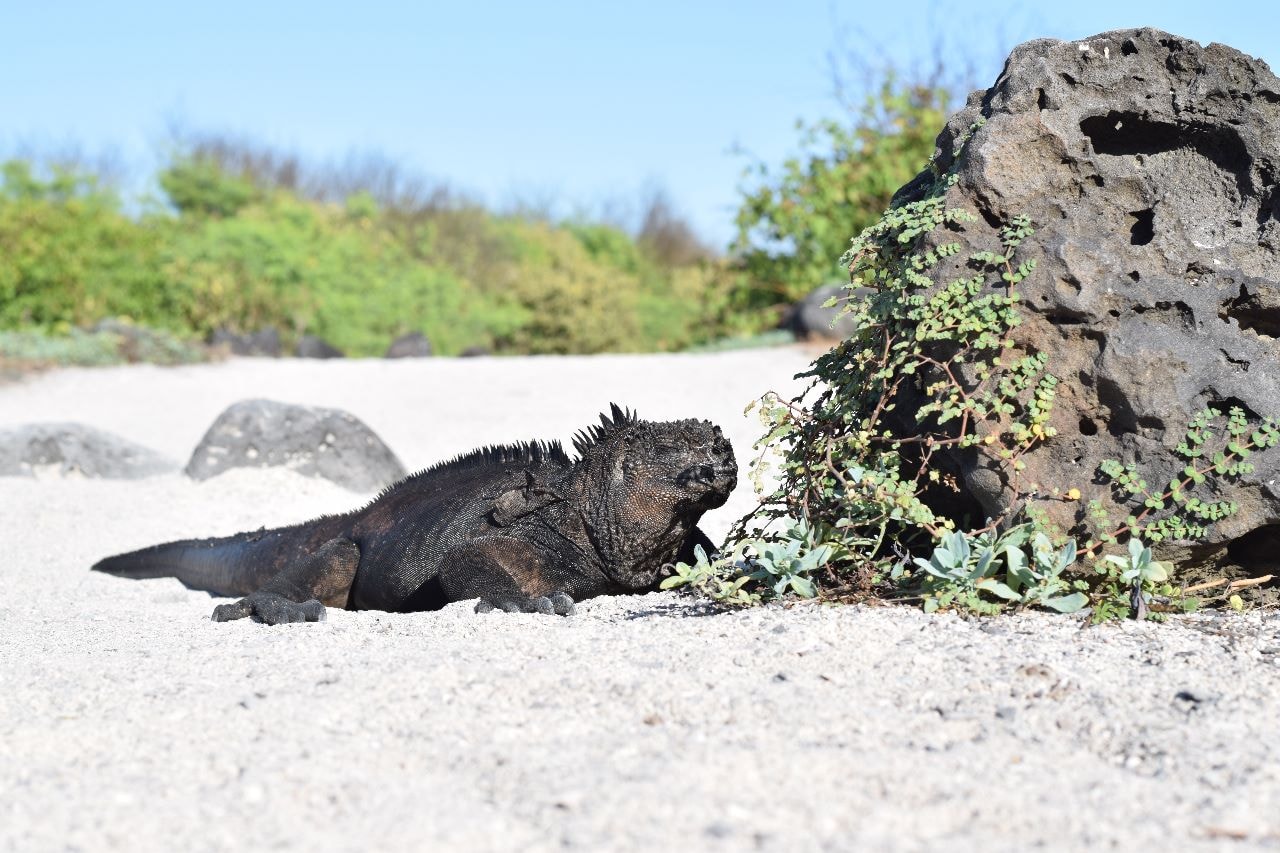
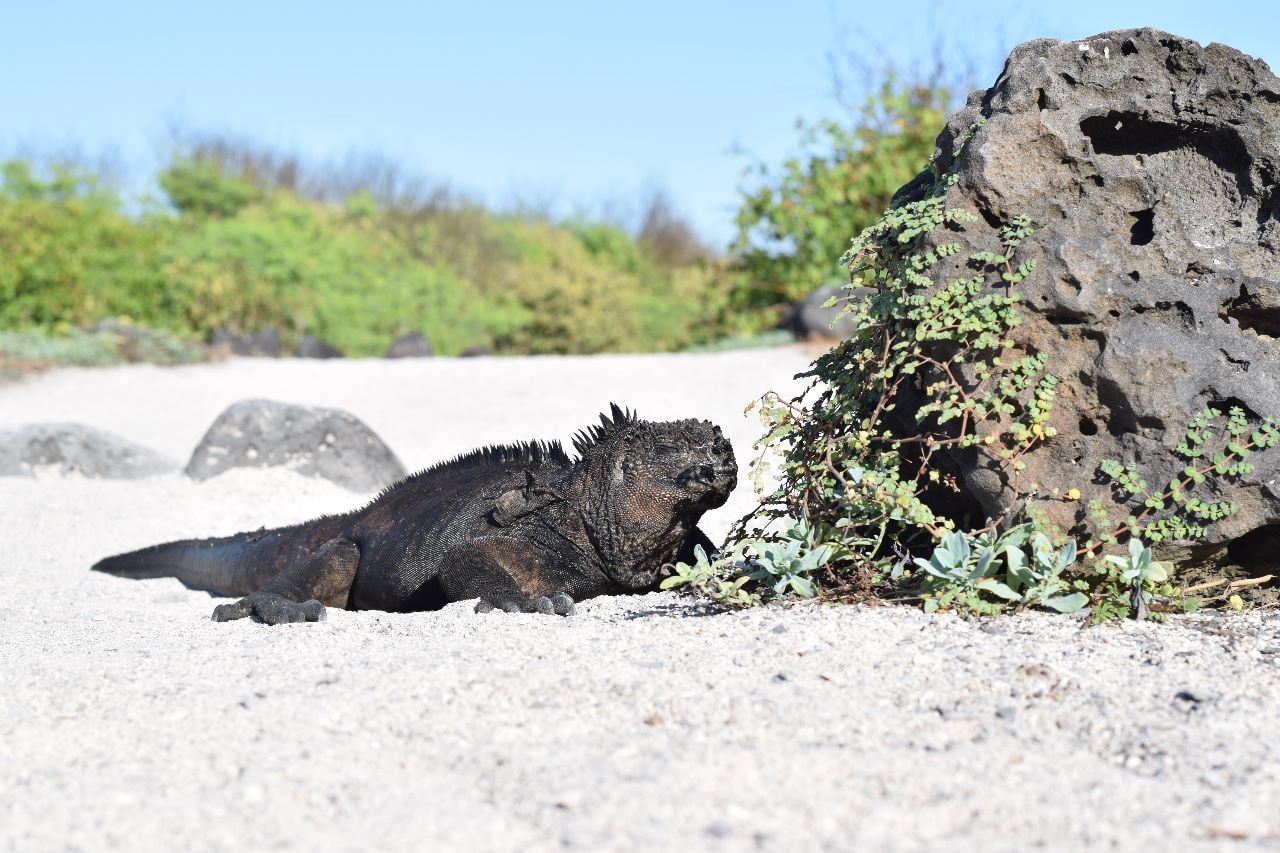
The Galápagos residents have integrated themselves into the natural environment and defend the islands' extraordinary flora and fauna as if they were part of them. Conserving the Galápagos sanctuary is a long-term job, passed down from generation to generation.
Many of the park rangers who are passionate about life are local residents. They have developed jobs similar to that performed in the Galápagos National Park (GNP): caring for, respecting and preserving all natural and unique expressions of the life in the islands.
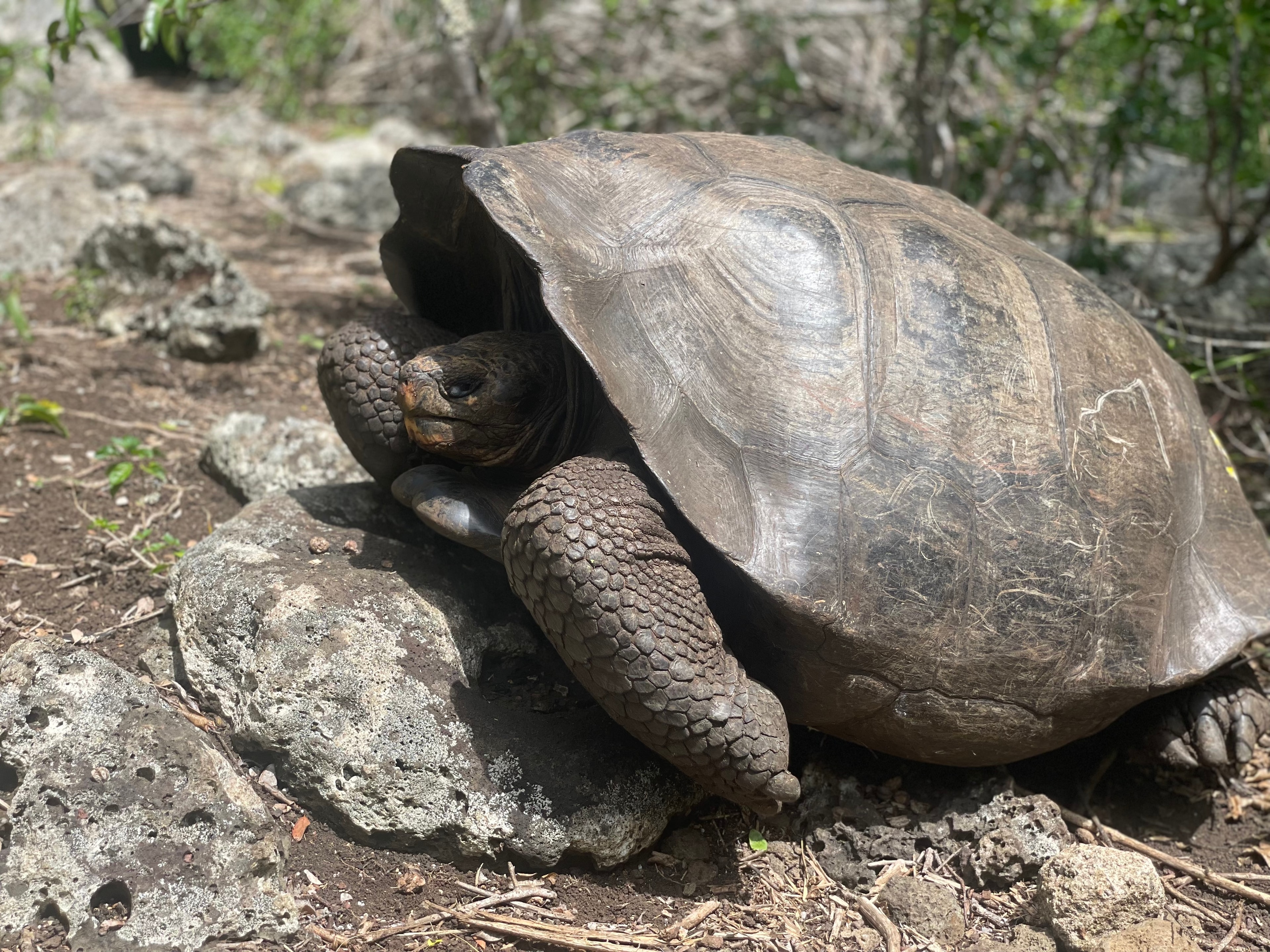
The inhabitants of the Galápagos not only concentrate efforts and techniques on preserving our archipelago, but also have the personal commitment to achieve it. We know that mastering the conservation of life includes not only abstraction and theory but much more practice and application.
Each one of us aspire to live an intelligent and plentiful existence. We struggle to master life, knowing that, like the poet would say, we could have the memory of our transition day.
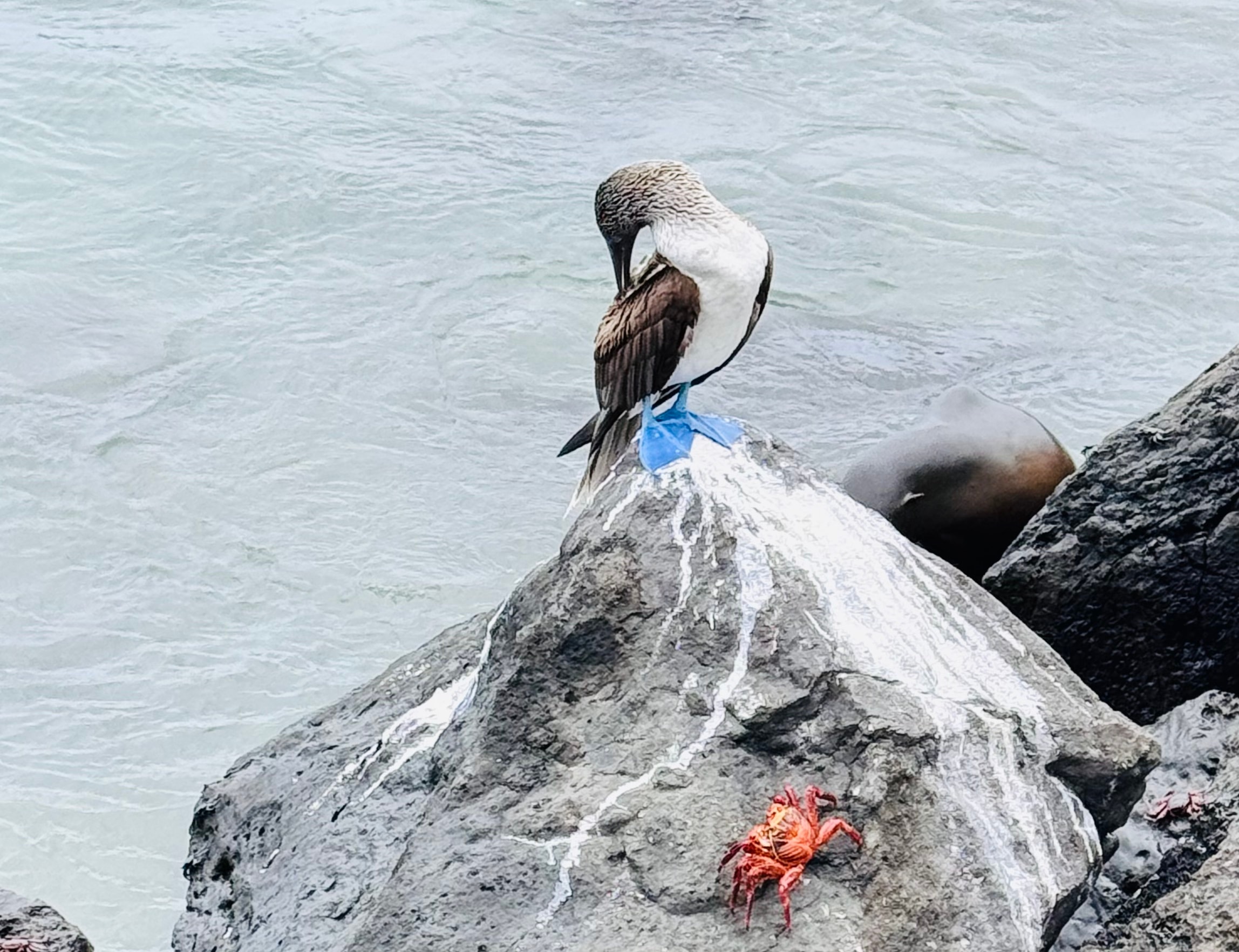
Links about conservation activities in the Galápagos: